 KSA
 Oman
 UAE

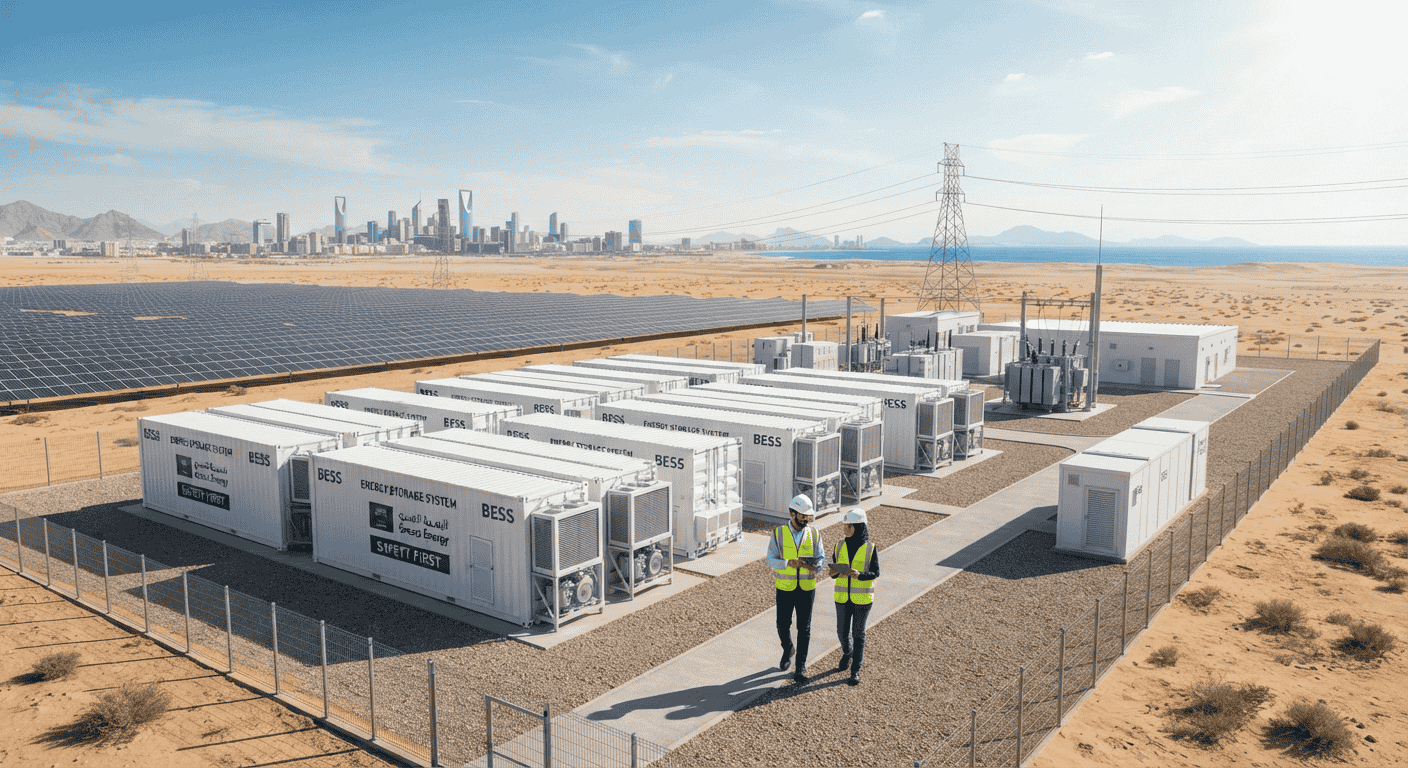
Saudi Arabia is taking steps forward on the road to sustainable energy. With more investments being made into solar energy and wind energy, the requirement of energy storage devices that can efficiently store power and use it as and when needed is also increasing. This is where the Battery Energy Storage Systems of Saudi Arabia have become crucial.
The battery energy storage system enables the stored electricity to be utilized when there is high demand for electricity or the production of electricity has dropped. It enhances power efficiency and cuts down wastage of energy while enabling the country to achieve its aim of using renewable energy sources.
What Are Battery Energy Storage Systems?
A Battery Energy Storage System (BESS) is a technology that stores electrical energy in batteries and releases it when needed. These systems can store electricity from solar panels, wind turbines or the electricity grid.
A typical BESS includes rechargeable batteries, a battery management system, a power conversion system and monitoring equipment. Together, these components manage energy storage, charging and discharging while maintaining system safety and performance.
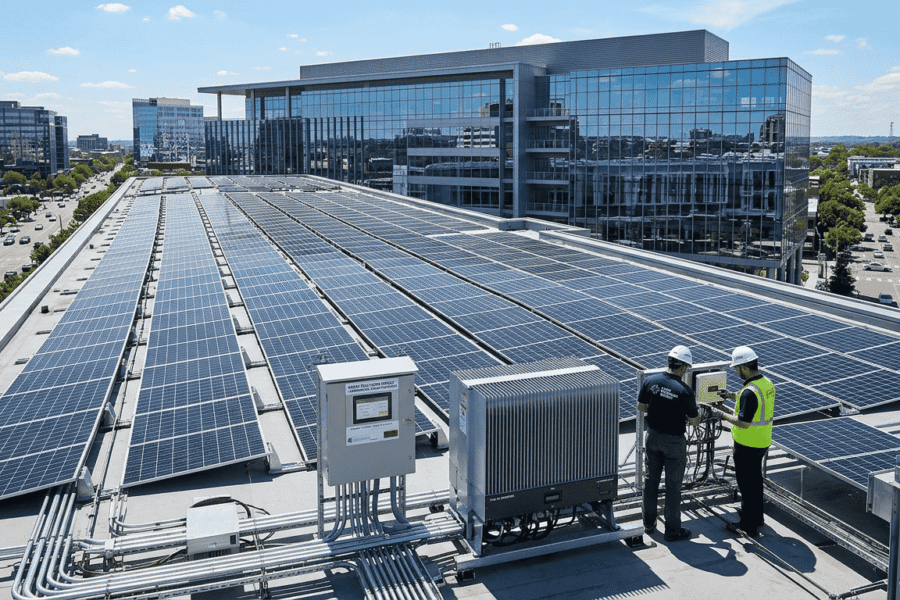
For example, a commercial building with solar panels can store excess electricity generated during the day and use the stored power during the evening or periods of higher electricity demand.
Why Are Battery Energy Storage Systems in Saudi Arabia Important?
It is noteworthy that the Kingdom receives a lot of sunlight throughout the year and offers plenty of options for generating solar power. Yet, the generation of power through solar energy is dependent on the availability of sunlight, while there may still be electricity requirements after dark.
Battery storage facilities offer a solution to such an issue by providing storage of surplus electricity that can be used whenever necessary.
Also, Saudi Arabia is increasing its investment in renewable energy facilities to reach its energy goals. As stated in the Saudi National Renewable Energy Program, the Kingdom intends to reach the 50% share of renewable energy and storage systems in the electricity generation up to 2030 depending on the growth of electricity requirements.
By August 2026, Saudi Arabia made contracts regarding four BESS projects with a total capacity of 2,000 MW and 8,000 MWh.
Key Benefits of Battery Energy Storage Systems
Battery storage offers several advantages for businesses, industries and electricity providers.
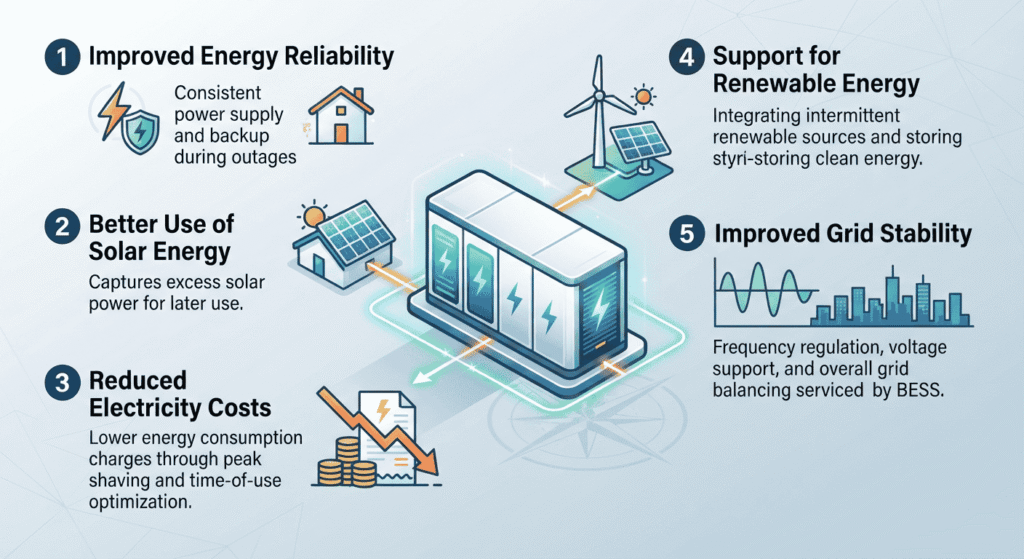
1. Improved Energy Reliability
Unexpected power interruptions can affect industrial operations, commercial facilities and essential equipment. Battery storage systems provide backup electricity during grid interruptions, helping businesses maintain important operations.
2. Better Use of Solar Energy
Solar panels often generate more electricity during daylight hours than a building immediately requires. Instead of wasting excess energy, businesses can store it in batteries and use it later.
This helps improve solar energy utilisation and supports more efficient electricity consumption.
3. Reduced Electricity Costs
Businesses can use stored electricity during periods of higher electricity demand or applicable peak pricing. Depending on the electricity tariff and system configuration, this can help reduce overall energy expenses.
4. Support for Renewable Energy
Battery storage makes renewable energy more practical by balancing differences between electricity generation and consumption. It allows solar and wind power to contribute more effectively to the electricity supply.
5. Improved Grid Stability
Large-scale battery storage systems can help regulate electricity frequency and voltage. They also support grid balancing by responding to changes in electricity demand and supply.
Major Applications of Battery Storage in Saudi Arabia
Battery energy storage technology can support different industries and infrastructure projects across the Kingdom.
1. Commercial Buildings and Offices
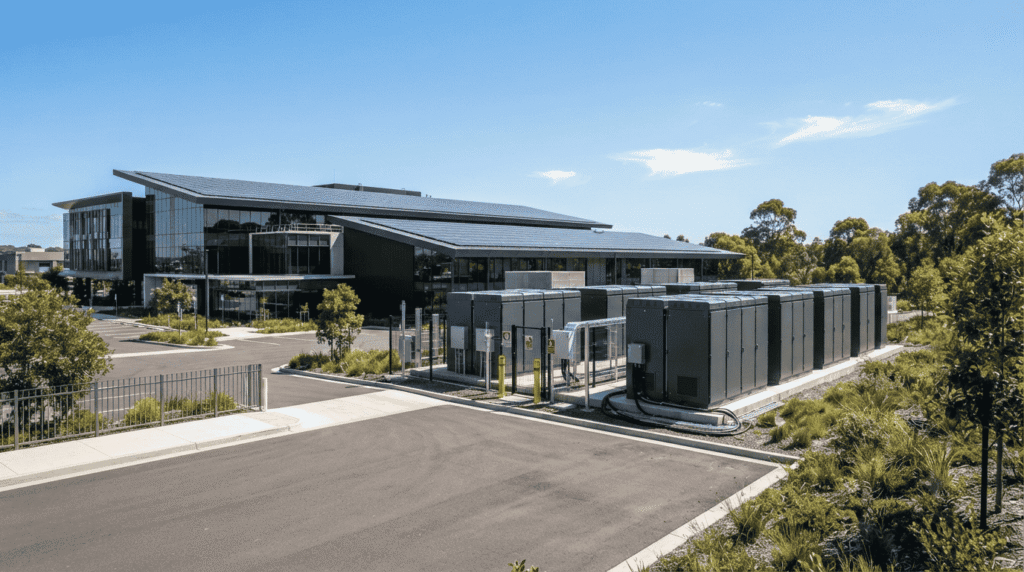
Shopping centres, hotels, office buildings and large commercial facilities can use battery storage alongside solar installations. These systems help manage electricity consumption and provide additional backup power.
2. Industrial and Manufacturing Facilities
Factories and manufacturing units depend on a continuous electricity supply to operate machinery and production equipment. Battery storage can help maintain essential operations and manage energy demand more efficiently.
3. Solar Power Projects
Large solar farms can integrate battery storage to save excess electricity generated during the day. The stored energy can then be supplied during evening hours or when solar generation decreases.
4. Data Centres and Telecommunications
Data centres and telecommunications facilities require reliable electricity to maintain uninterrupted services. Battery storage can work alongside UPS systems and other backup power solutions to support critical operations.
5. Remote Locations and Infrastructure
Remote industrial facilities, construction sites and infrastructure projects may have limited access to reliable grid electricity. Battery storage combined with solar power can provide a flexible energy solution for these locations.
Future Trends in Battery Energy Storage in Saudi Arabia
The future of battery storage in Saudi Arabia looks promising as the country continues developing renewable energy projects and modernising its electricity infrastructure.
Growth of Large-Scale Storage Projects: Government-backed investments and private-sector participation are expected to increase the development of utility-scale battery storage facilities.
Advanced Battery Technologies: Lithium-ion batteries and other emerging storage technologies are improving energy efficiency, charging performance and operational reliability.
Integration with Solar and Wind Energy: More renewable energy projects are expected to include battery storage to improve electricity availability and reduce dependence on conventional power generation.
Smart Energy Management: Advanced monitoring systems, automation and intelligent energy management technologies will help businesses manage electricity consumption more effectively.
Growing Industrial Demand: Manufacturing facilities, commercial buildings and infrastructure developments are likely to create additional demand for reliable energy storage solutions.
How Can Businesses Choose the Right Battery Energy Storage System?
Selecting a suitable battery storage system requires understanding the facility’s energy requirements and operational needs.
Businesses should consider the following factors:
- Energy Consumption: Understand daily electricity usage and peak demand before selecting a system.
- Battery Capacity: Choose storage capacity based on how much electricity needs to be stored.
- Backup Duration: Determine how long the system should supply electricity during an interruption.
- Safety Features: Check battery protection, temperature monitoring and fire safety provisions.
- System Compatibility: Ensure the battery system works with existing solar installations, inverters and electrical infrastructure.
- Maintenance and Monitoring: Consider long-term maintenance requirements, warranties and remote monitoring capabilities.
Working with an experienced energy solutions provider can help businesses identify suitable systems based on their requirements and budget.
Conclusion
Battery energy storage is becoming an important part of Saudi Arabia’s transition towards a more reliable and sustainable energy system. From supporting solar power projects to improving industrial electricity management, these systems offer valuable benefits for businesses and infrastructure development.
As investments in renewable energy continue to grow, Battery Energy Storage Systems in Saudi Arabia will play an increasingly important role in meeting future electricity requirements.